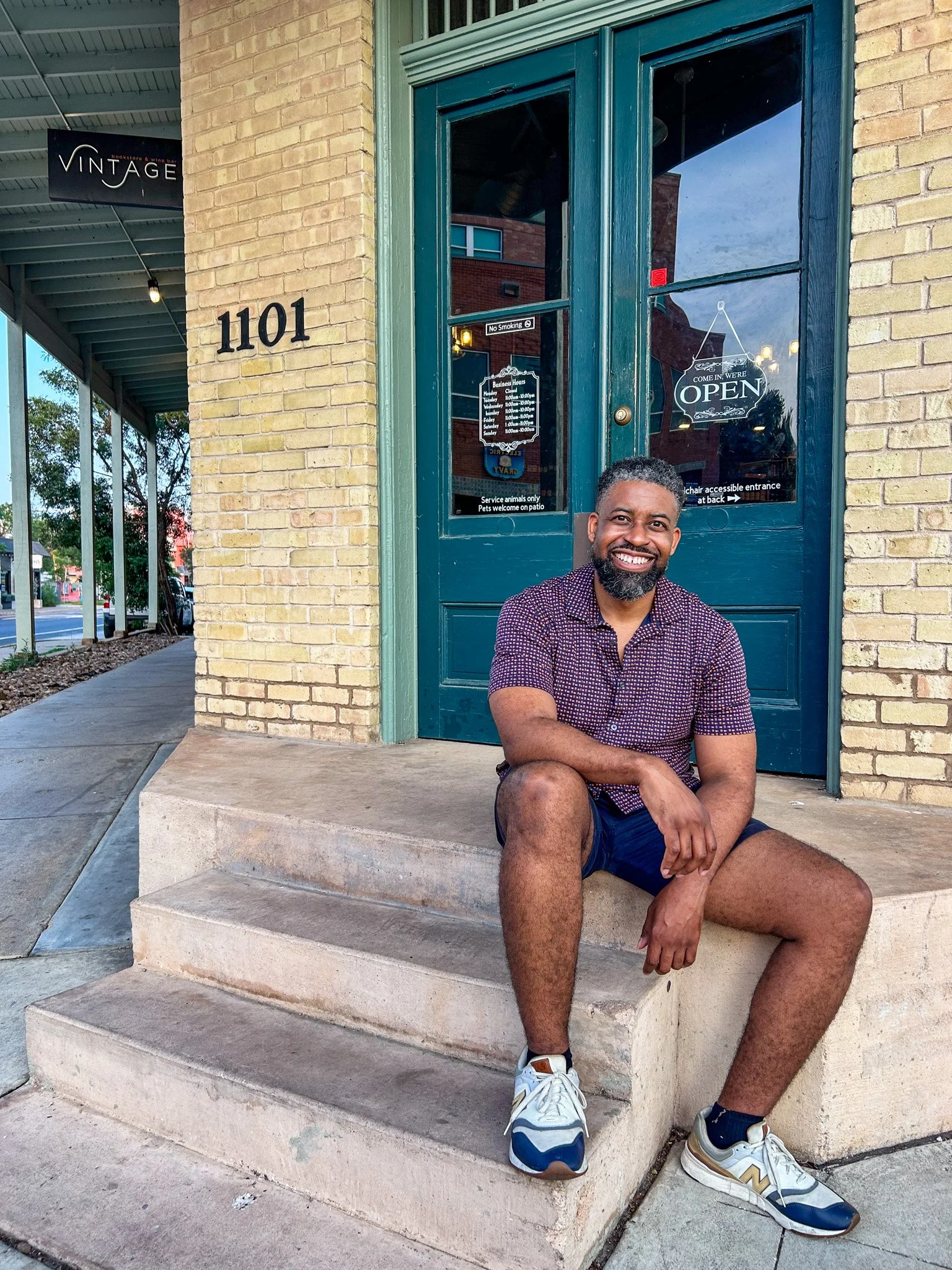
A CONVERSATION WITH TRINITI BUNTON

I had the pleasure of sitting with Triniti Bunton, a born-and-raised Austinite. We talked about her family’s history in Austin, the stories her grandmother passed down, and what belonging feels like in a city that continues to change. Here’s an excerpt from our conversation.
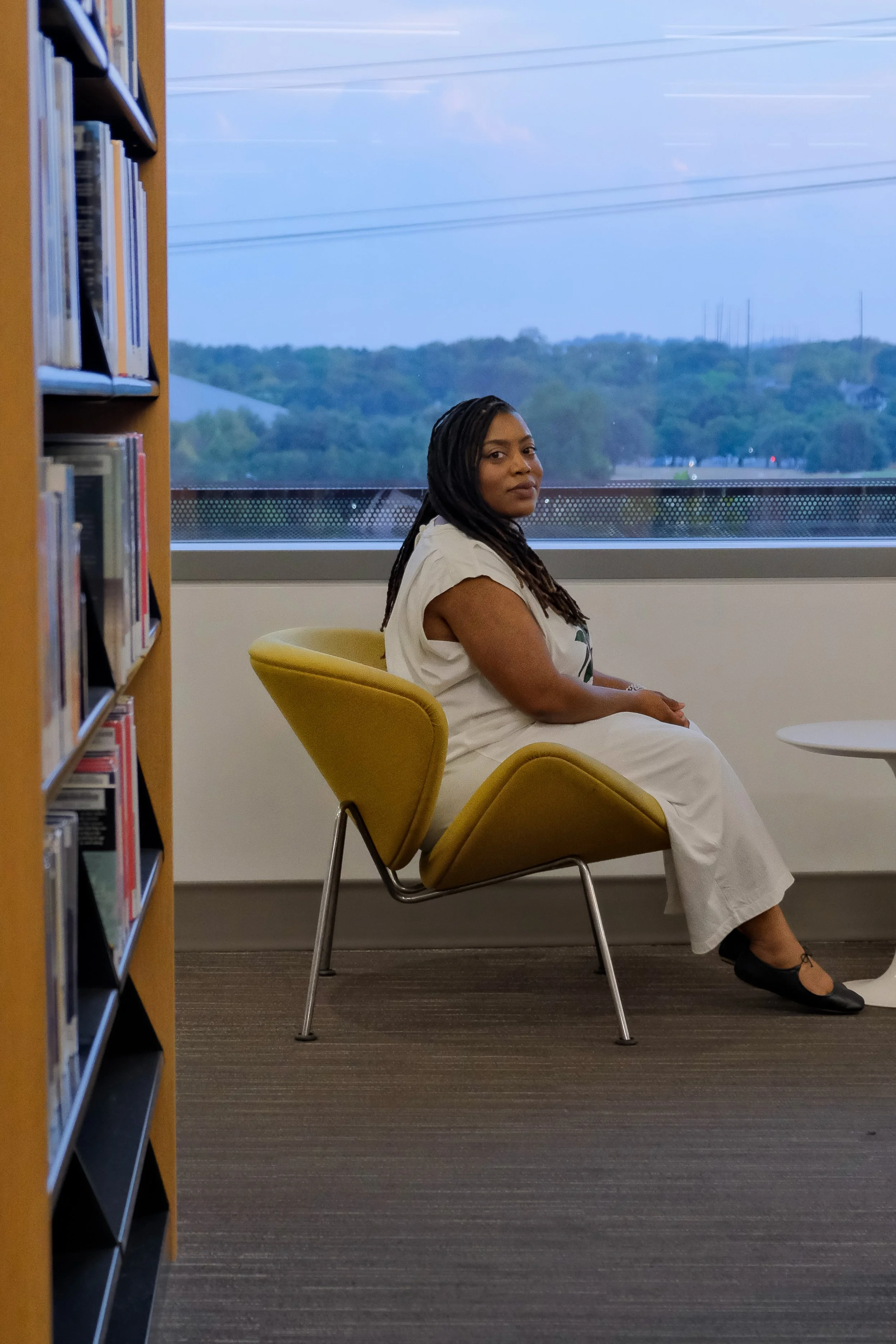
“We don’t realize how much we take for granted, how much our ancestors, our families, especially our older generation, have done for us to have so much freedom at this time. And we always speak so much about the civil rights leaders, like popularized, but I think all of us, if we really think about it, there are civil rights leaders in their own way, in our families, right? The little things that they did to survive or the stories that they still tell about living and survival are really important. And we don’t, I think, speak or honor them as much as we should or really speak life into the value that they bring.”
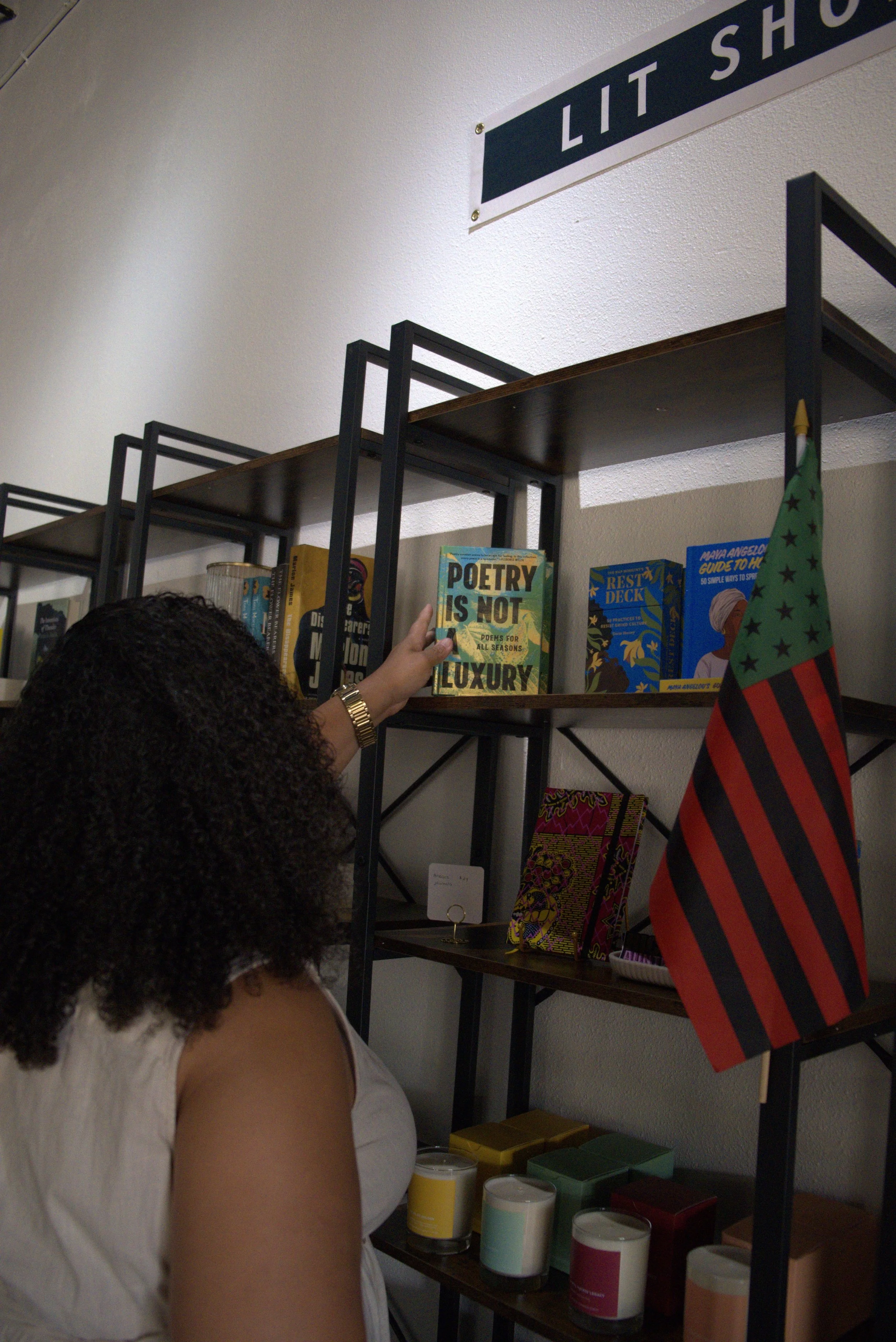
A CONVERSATION WITH AMANDA JOHNSTON

I had the pleasure of sitting with Amanda Johnston, poet and founder of TORCH Literary Arts. We talked about her history in Austin, finding community through poetry, and building the space she wanted for herself and other Black women writers. Here’s an excerpt from our conversation.

“In 2006, I had come back from my second year at a fellowship called Cave Canem, which is specifically for Black poets from across the country. Some of the greatest poets of our time were faculty there. Seeing a group make something so meaningful and rich that was intentionally for Black people, I thought, I know that’s possible, and I want that for us, but specifically for Black women.

Even in spaces that were intentionally for BIPOC or Black people, Black women were still doing the majority of the labor. I wanted a space where we could sit down, where we could create, where we could share without being concerned if we would be understood, valued, and welcome.

Seeing that modeled in Cave Canem in 2005, when I became a fellow, I kept that with me. And then in 2006, I took the step to say, ‘Well, if you build it, they’ll come.’ I used to do freelance web design. I made the website and put out the call.

I invited some friends to start it with me, but they had different capacities and schedules, so they couldn’t. I understood that, and I’m so glad I didn’t let it stop me from creating it. I said, ‘Well, I have the capacity to do an online digital magazine.’ And that’s how TORCH started, solely with the online digital magazine. It grew from there.”

*Cave Canem is a fellowship and literary organization supporting Black poets. Amanda became a fellow in 2005.

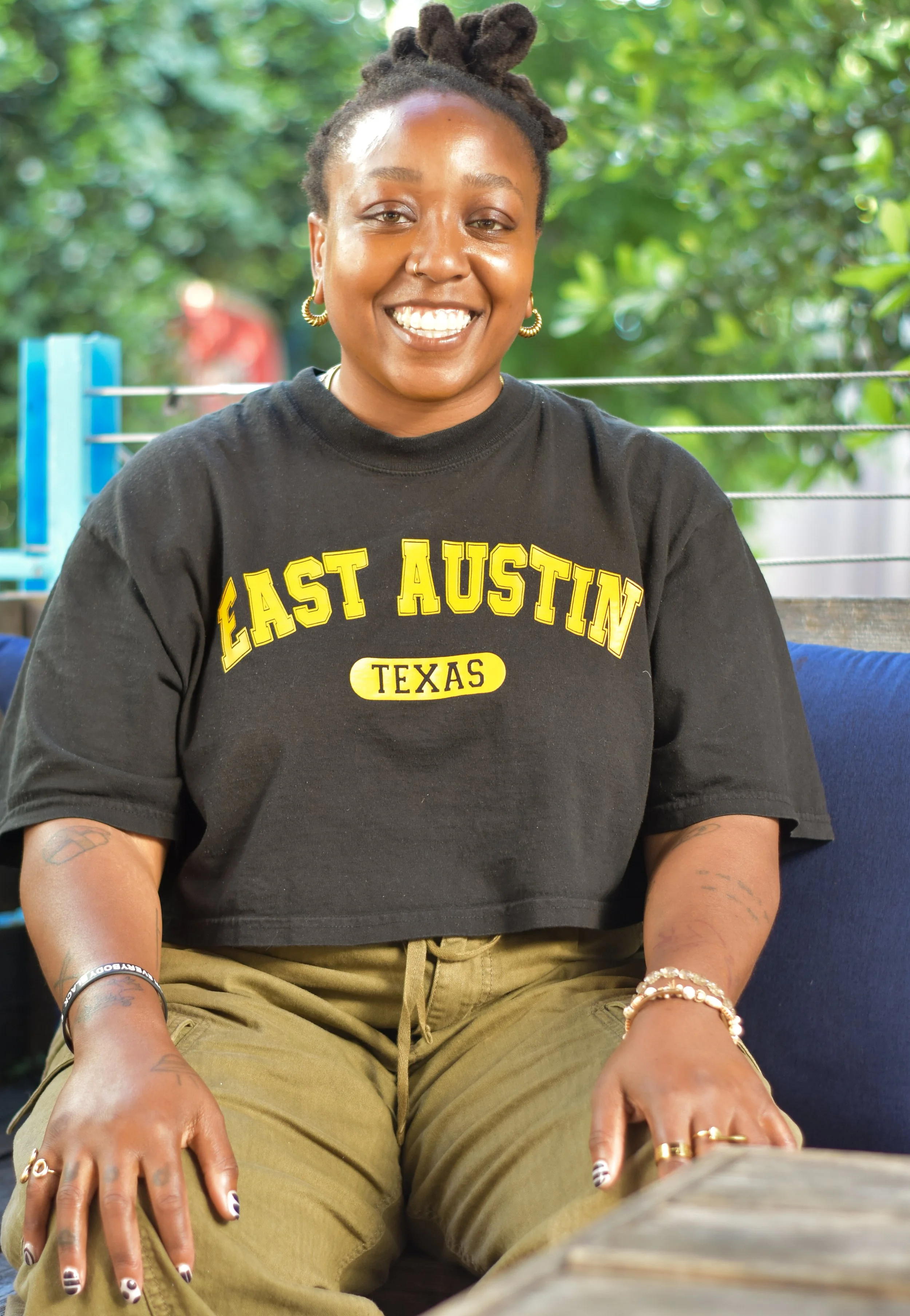
A CONVERSATION WITH ERINN KNIGHT

I had the pleasure of sitting with Erinn Knight, creative strategist, community builder, and co-founder of Where Y’all At Though?! and Build Your Own Dreams. We talked about belonging, building community, Black Austin, and what it means to make a home in a rapidly changing city. Here’s an excerpt from our conversation.

“ …I started feeling under appreciated in Atlanta, but I was also just dealing with a lot of tough emotional stuff. So I was like, "Let me go to Nashville," 'cause I have friends there, I have a place I can cry. But Nashville never felt like home, it just felt like a safe place. You know what I'm saying? But Austin, it just was like, there was always space for me here. You know what I'm saying? So it's, like, in a very micro way. Not the whole city.

The city was interesting, but I had people here, so I was like, "Let me just make the plunge." So even now it becoming home to me is new, but if it wasn't for B and his family I would not be here. It would just be a fun place that I'd be still flying into. I'd still be building stuff, one foot in the door, one foot out the door.

But for me to commit is because I had community, like intimate community, like people that I can cry with. I have little nieces and nephews that are excited to see me. I have places I can cook. Like, the things that... I'm not talking about the, "Oh, we can turn up, we can... But yeah, I, I moved here 'cause I had community, in an intimate sense.”

A CONVERSATION WITH LEON HOLLAND

Leon Holland is one of UT Austin’s precursors -among the first Black undergraduate students to attend the university following integration in 1956.

Originally from San Antonio, he came to Austin for two simple reasons; it was close to home and tuition was $25. What he encountered, and what he built here, tells a much deeper story.

This conversation is part of You Are Here ATX, an ongoing project exploring presence, belonging, and lived experience in Austin.

Read more

Building Presence

Where are the Black people in Austin?

I’ve seen this question pop up online more times than I can count. People saying there aren’t enough Black people here. Saying there’s no Black culture. Telling others they need to move to [redacted city]. Others push back, saying the Black people are here, we just don’t go out like that, or you have to follow certain pages, join certain groups, know where to look. Someone mentions a walking group on the weekends. Someone else lists events like a running thread you have to piece together yourself. The responses overlap, contradict, circle back. It never lands in one clear answer.

Read more

The Geography of Belonging

Before I say yes, I check the time.
I open Google Maps.
I check the route.
Thirty minutes, plus traffic.
Then parking.
Street parking. Paid garage. Rideshare suggested.
I zoom out to see what else is nearby since I will already be in the area.
Slight detour. Total time: 55 minutes.
It’s late.
I will just stay for an hour.

Read more

Arriving Mid-Conversation

I grew up on the East Coast. Living in Texas came later, sometime in my mid-teens, folded into my life through family and circumstance rather than choice. I’ve lived in several Texas cities since then. Long enough to understand that each region has its own pace. Long enough to know Juneteenth before it became a headline. Long enough to feel how history lives in families, not just landmarks. Long enough to know that having roots somewhere doesn’t always equate to feeling rooted.

Read more